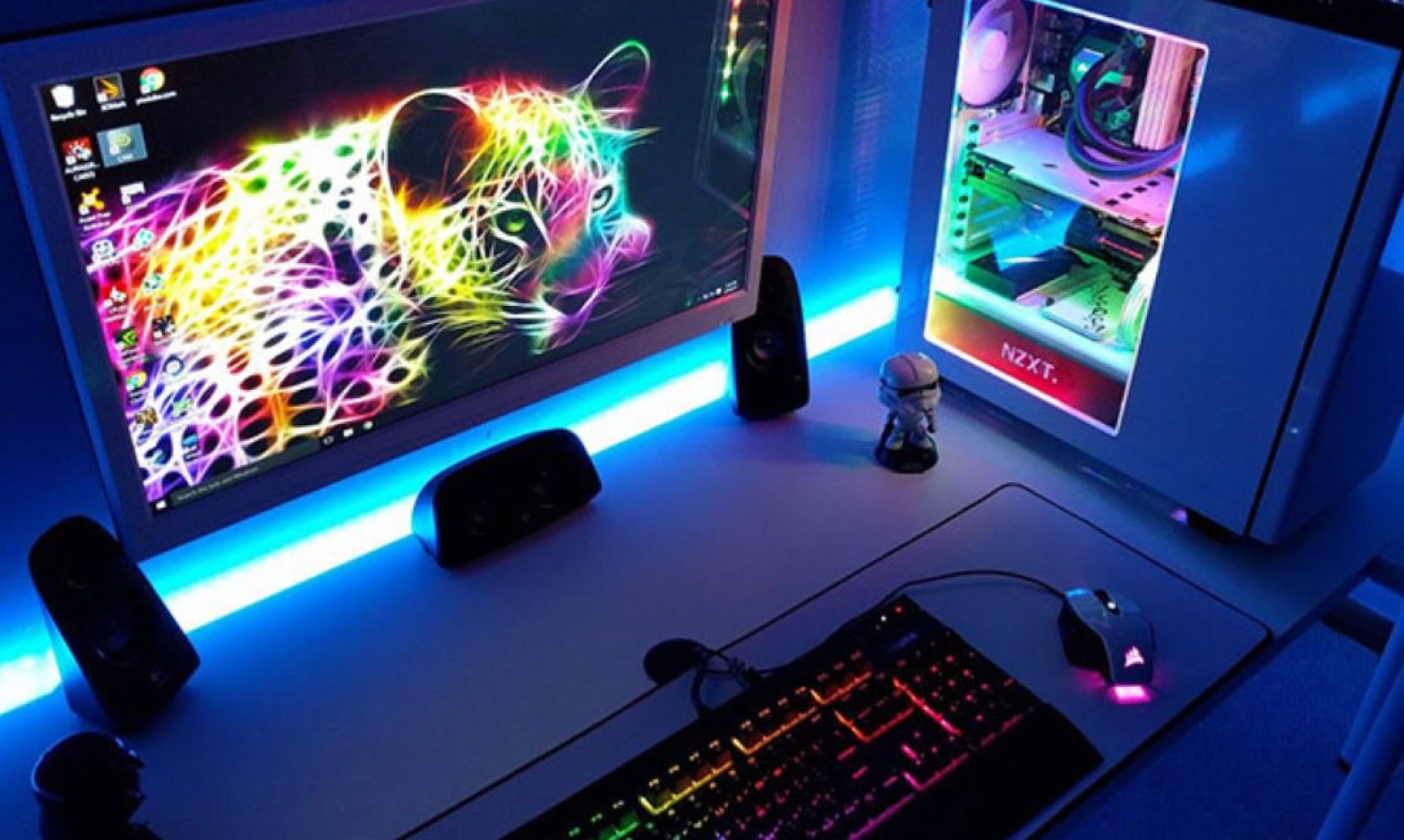
The landscape of public gaming in 2026 is at a crossroads. For decades, the “Warnet” (Internet Cafe) model dominated the scene in Indonesia and across Asia. However, the rise of Cloud Gaming—where high-end processing is offloaded to remote servers—is challenging the necessity of local hardware. kevurugames.
If you are an entrepreneur looking to enter the gaming space, is it more promising to build a traditional high-spec cafe or a cloud-based rental service? Let’s dive into the analysis.
1. The Traditional Internet Cafe (The Hardware Heavyweight)
The classic model relies on providing high-end PCs that customers can’t afford at home. In 2026, this model has shifted toward “Esports Hubs.” founderpal.ai
- The Investment: High. You must purchase RTX-level GPUs, 240Hz monitors, and ergonomic furniture.
- The Profit Driver: Beyond hourly rates, profitability now hinges on Cafe Orders (F&B) and Private Event Rentals. Research shows that “Gaming Hours” carry an 82% contribution margin, but high fixed overhead (rent and electricity) requires at least 60% station utilization to break even (Financial Models Lab, 2026). financialmodelslab
- The Risk: Hardware depreciation. A PC built today will be “mid-tier” in three years, requiring another massive capital injection.
2. Cloud Gaming Rental (The Infrastructure Disruptor)
Cloud gaming rental services—where you provide “thin client” stations or even just high-speed booths where users log into their own cloud accounts (like GeForce Now or Xbox Cloud)—are the lean alternative.
- The Investment: Low. Instead of $2,000 PCs, you can use $200 “Thin Clients” or repurposed older laptops. Your biggest expense is Premium Enterprise-Grade Fiber Internet. forbes
- The Profit Driver: Drastically lower electricity bills and zero hardware upgrade cycles. Since the “Cloud” handles the processing, your local machines don’t generate heat, reducing AC costs by up to 40% (Forbes, 2025).
- The Risk: Latency and “Network Dependency.” If your internet drops or the cloud server is 500km away, the experience becomes unplayable (USC Viterbi, 2026).
3. Business Analysis: Comparison Matrix 2026
| Feature | Traditional Gaming Cafe | Cloud Gaming Rental Service |
| Initial Capital (CAPEX) | Very High (Hardware + Cooling) | Low (Networking + Basic Terminals) |
| Operational Costs (OPEX) | High (Maintenance + Electricity) | Moderate (Subscription fees + Bandwidth) |
| User Experience | Flawless / Local (Zero Latency) | Variable (Depends on Ping/Jitter) |
| Scaling Potential | Hard (Needs more physical space) | Easy (Can scale via mobile/app) |
| Main Target Market | Hardcore / Competitive Gamers | Casual / Avid Gamers (78% of market) |
4. Which Is More Promising?
The answer depends on your Location and Target Audience.
The Case for Cloud Gaming:
In 2026, the global cloud gaming market is projected to reach $23.79 billion (Fortune Business Insights, 2026). For casual gamers—who make up nearly 79% of the market—the convenience of “log-in and play” on any device is more attractive than a high-end setup they don’t fully utilize. A cloud rental business is more promising for mass-market scalability and lower risk.
The Case for Traditional Cafes:
For the “Hardcore” segment, cloud gaming still faces a “4-year wall” regarding latency in competitive shooters. If you are building a community hub for local tournaments, a Traditional Cafe remains the only way to provide the sub-5ms input delay that professionals demand (ResearchGate, 2025).
5. The Hybrid “Success Model” for 2026
The most successful entrepreneurs are no longer choosing one over the other. They are adopting a Hybrid Strategy:
- Elite Zone: 10–20 high-spec physical PCs for tournaments and pro-gaming.
- Cloud Zone: 30+ low-cost terminals or “BYOD” (Bring Your Own Device) stations with 5G-enabled ultra-fast Wi-Fi for casual cloud gaming.
- Community Focus: Using the space for viewing parties and social events to offset the high fixed costs of the facility.
The Final Verdict: If you want minimal risk and high scalability, Cloud Gaming Rental is the future. If you want to build a premium, local esports brand, the Traditional Cafe is still the gold standard.
References
Fortune Business Insights. (2026). Cloud Gaming Market Size, Value, Growth | Global Report [2034]. https://www.fortunebusinessinsights.com/cloud-gaming-market-102495
Financial Models Lab. (2026, March 4). Gaming Cafe Profitability: 7 Strategies to Hit 35% Margin. https://financialmodelslab.com/blogs/profitability/gaming-cafe
Forbes Tech Council. (2025, March 26). How Cloud Gaming Can Reduce Costs And Improve Gameplay For Esports Cafés. https://www.forbes.com/councils/forbestechcouncil/2025/03/26/how-cloud-gaming-can-reduce-costs-and-improve-gameplay-for-esports-cafs/
ResearchGate. (2025, March 25). The Impact of Cloud Gaming on the Traditional Gaming Industry. https://www.researchgate.net/publication/390169970_The_Impact_of_Cloud_Gaming_on_the_Traditional_Gaming_Industry
USC Viterbi School of Engineering. (2026, February 25). Cloud gaming: a viable alternative, or a cloudy future? https://illumin.usc.edu/cloud-gaming-a-viable-alternative-or-a-cloudy-future/