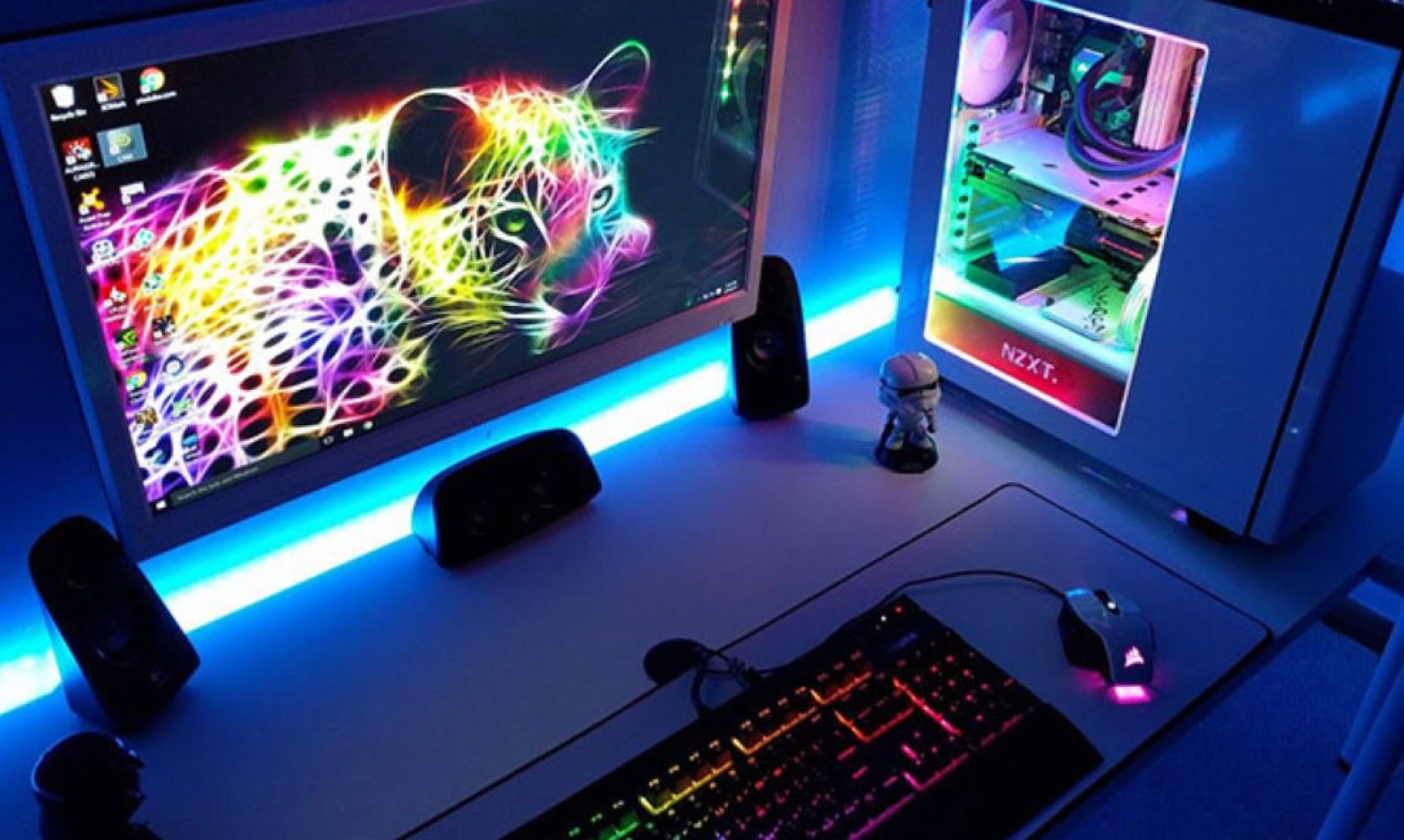
Building your first gaming PC is a rite of passage. In 2026, the process is more beginner-friendly than ever, thanks to modular parts and standardized connectors. This guide will walk you through the entire journey—from the moment you open your boxes to the first time you see the BIOS screen.xidax
Phase 1: Preparation & Unboxing
Before you touch a single component, clear a large, non-carpeted workspace (a wooden or plastic table is ideal).
Essential Tools:
- Phillips #2 Screwdriver: The “Master Key” for almost every screw in your PC.
- Anti-Static Precautions: You don’t need a fancy suit—just touch a grounded metal object (like your PC case) occasionally to discharge static.
- A Small Bowl: For holding various screws so they don’t disappear into the abyss.
The “Unboxing” Ritual: Remove your components from their boxes, but leave them in their anti-static bags until you are ready to install them. Keep the motherboard box nearby; it serves as an excellent “test bench” during the first few steps.
Phase 2: The Core Assembly (Outside the Case)
It’s often easier to install the smallest, most delicate parts before the motherboard goes into the case.
- CPU Installation: Open the lever on the motherboard’s CPU socket. Align the small triangle on the corner of the CPU with the triangle on the socket. Gently drop it in (no force required!) and lock the lever. geekompc
- RAM: Open the clips on the RAM slots. Align the notch on your DDR5 sticks with the slot and press down firmly until you hear a “click.” (Use slots 2 and 4 for dual-channel performance).
- M.2 SSD: Slide your tiny SSD into its slot at a 35-degree angle, press it flat, and secure it with the small screw or tool-less latch provided by the motherboard. vishalperipherals
Phase 3: Moving Into the Case
- I/O Shield: Snap the rectangular metal plate (if not pre-installed) into the back of your case.
- Motherboard: Lay the case on its side. Line up the motherboard holes with the standoffs (the small brass risers) in the case and screw it down.
- Power Supply (PSU): Slide the PSU into the bottom of the case. For a cleaner look, plug in your main cables (24-pin ATX and 8-pin CPU) before sliding it into place.
- The Graphics Card (GPU): This is the final piece of the puzzle. Remove the expansion slot covers on the back of the case, line the GPU up with the top PCIe slot, and push until it clicks. Screw it into the case frame.
Phase 4: Making the Connections
This is where beginners often get nervous, but it’s just like LEGOs—everything only fits one way.
- Motherboard Power: Plug in the large 24-pin cable. medium
- CPU Power: Plug in the 8-pin cable (usually at the top left). gcom
- GPU Power: Use the dedicated PCIe cables (or the new 12V-2×6 cable for modern cards).
- Front Panel: Connect the tiny wires for the power button and USB ports (refer to your motherboard manual for the exact pin layout).
Phase 5: The “First Post” and Entering the BIOS
The moment of truth. Plug your monitor into the GPU (not the motherboard), connect your keyboard, and hit the power button.
- The Boot: If the fans spin and lights turn on, you’re 90% there.
- The Key: As the manufacturer’s logo (ASUS, MSI, Gigabyte, etc.) appears on the screen, rapidly tap the Delete or F2 key.
- The BIOS: You have now entered the “brain” of your PC.
Two Vital Settings to Change Immediately:
- Enable XMP/EXPO: This ensures your RAM runs at its advertised high speed rather than a slow default.
- Boot Priority: Set your “Boot Option #1” to the USB drive you’ll use to install Windows.
Troubleshooting Tips
- No Display? Ensure your monitor is plugged into the Graphics Card, not the motherboard.
- Won’t Power On? Check that the switch on the back of the Power Supply is flipped to the “I” (On) position.
- Stuck on a Screen? Look for “Debug LEDs” on your motherboard; they usually light up next to labels like “CPU” or “DRAM” to tell you exactly what is wrong.