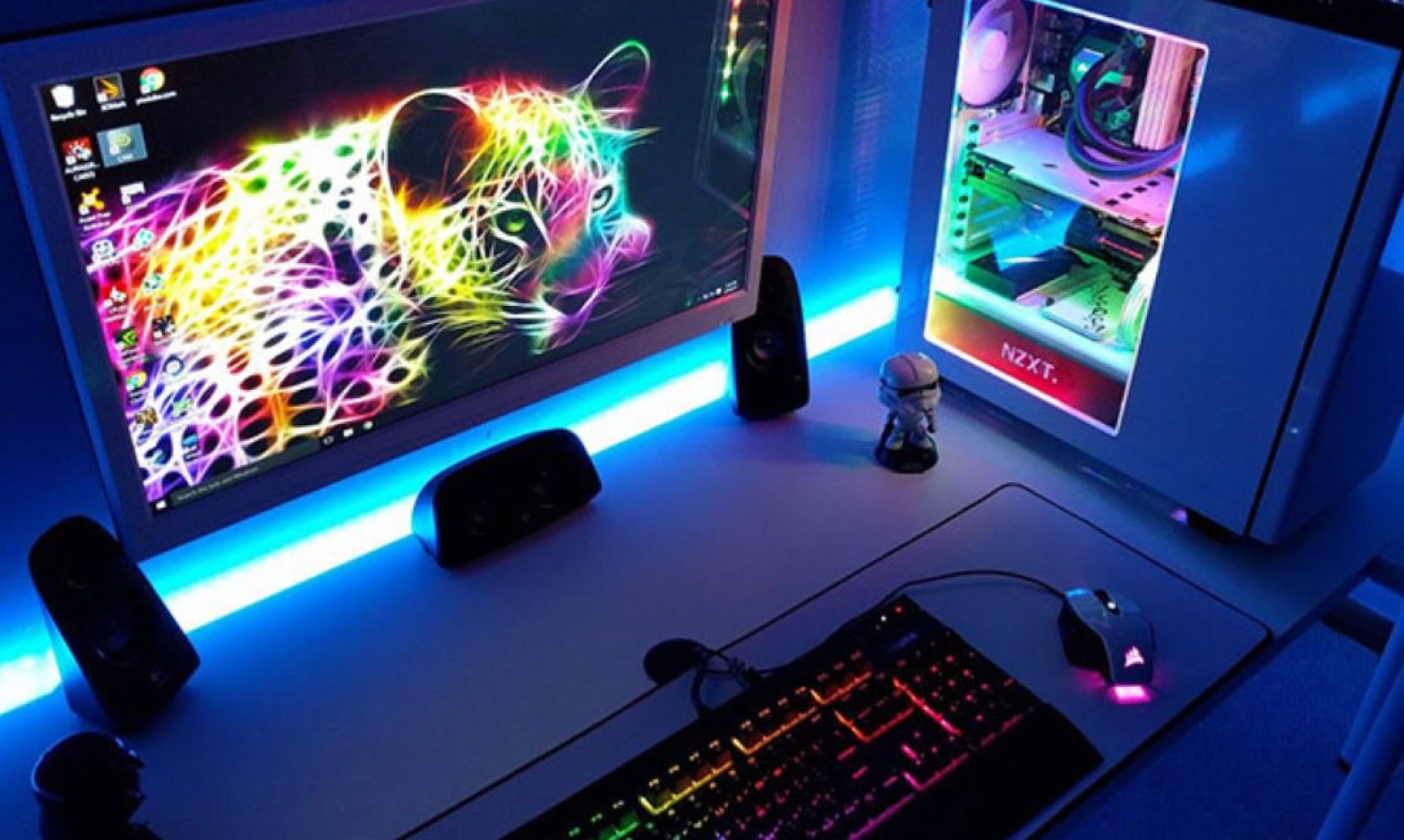
As we move through 2026, the demand for high-performance computing is no longer limited to hardcore gamers. The explosion of local AI applications, professional content creation, and the Windows 10 end-of-life hardware refresh has created a goldmine for custom PC builders.
If you have the technical “hands” and a sharp eye for components, starting a custom PC assembly service is a business with low overhead but massive scalability.
1. The 2026 Market: Why Now?
The “Pre-built” market often fails to meet the specific needs of modern power users. Three main drivers are pushing customers toward custom services this year:
- The AI Boom: Users now want “Local AI” rigs capable of running LLMs and stable diffusion privately. These require specific VRAM-heavy GPU configurations that off-the-shelf PCs rarely offer.
- Component Volatility: With the fluctuating prices of DDR6 RAM and high-speed SSDs, customers are looking for experts who can optimize a “build list” to get the most performance out of a fixed budget. intelmarketresearch
- Aesthetic Personalization: PC builds in 2026 are pieces of furniture. Custom liquid cooling, “fish tank” cases, and tailored cable management are services people are willing to pay a premium for. startupfinancialprojection
2. Capital Requirements: Skills vs. Cash
Unlike a retail store, an assembly service is a skill-based business. Your primary “capital” is your expertise.
- Financial Capital (Low): You don’t need to stock inventory. Most builders use a “Pre-Paid” model where the client pays for the components upfront, and you charge a service fee. You only need basic tools (precision screwdrivers, anti-static equipment, and testing software).
- Skill Capital (High): You must be an expert in BIOS flashing, stress testing (using tools like Cinebench and OCCT), and troubleshooting “Dead on Arrival” (DOA) parts.
3. Revenue Streams: How to Reach “Millions in Profit”
A successful assembly business doesn’t just charge for “plugging parts in.” You monetize your time through multiple tiers:
| Service Level | Description | Estimated Fee (IDR) |
| Basic Assembly | Putting parts together + OS Installation | Rp 350.000 – Rp 750.000 |
| The “Pro” Build | Cable management + BIOS Optimization + Stress Testing | Rp 1.000.000 – Rp 2.500.000 |
| Enthusiast Tier | Custom Water Cooling + Overclocking + Aesthetic Mods | Rp 3.000.000 – Rp 7.000.000+ |
| Consultation | Creating the perfect “Price-to-Performance” part list | Rp 150.000 / session |
The Math: By handling just 5 “Pro” builds a month, you can clear Rp 10.000.000+ in pure profit with zero inventory risk.
4. Strategic Links & Growth Tips
To turn this into a sustainable brand, you need to position yourself as a “Consultant,” not just a “Laborer.”
- Build a Portfolio: Use platforms like Instagram and TikTok to showcase “Time-lapse” builds. High-quality photos of clean cable management are your best marketing tool.
- Niche Down: Focus on a specific segment. “The AI Builder” or “The Silent PC Expert” allows you to charge more than a generalist.
- Component Partnerships: As you grow, link up with local distributors. Getting “Dealer Pricing” on components allows you to offer clients better prices while keeping a small margin on the parts themselves.
5. Managing Risk
The biggest risk in this business is handling expensive hardware.
- Insurance: Always build on an anti-static mat and have a clear “Terms of Service” regarding component warranties (which should remain with the manufacturer, not you).
- Testing: Never deliver a PC without a 24-hour stress test. A “Millions in Profit” business can be destroyed by one “Million-to-one” hardware failure that wasn’t caught before delivery.
Ready to start? The first step isn’t buying parts—it’s building your first “Hero Rig” to show the world what you can do.
Since you’ve been looking into SEO and digital branding, have you thought about which specific niche—like AI workstations or high-end gaming—you’d want to focus your services on first?