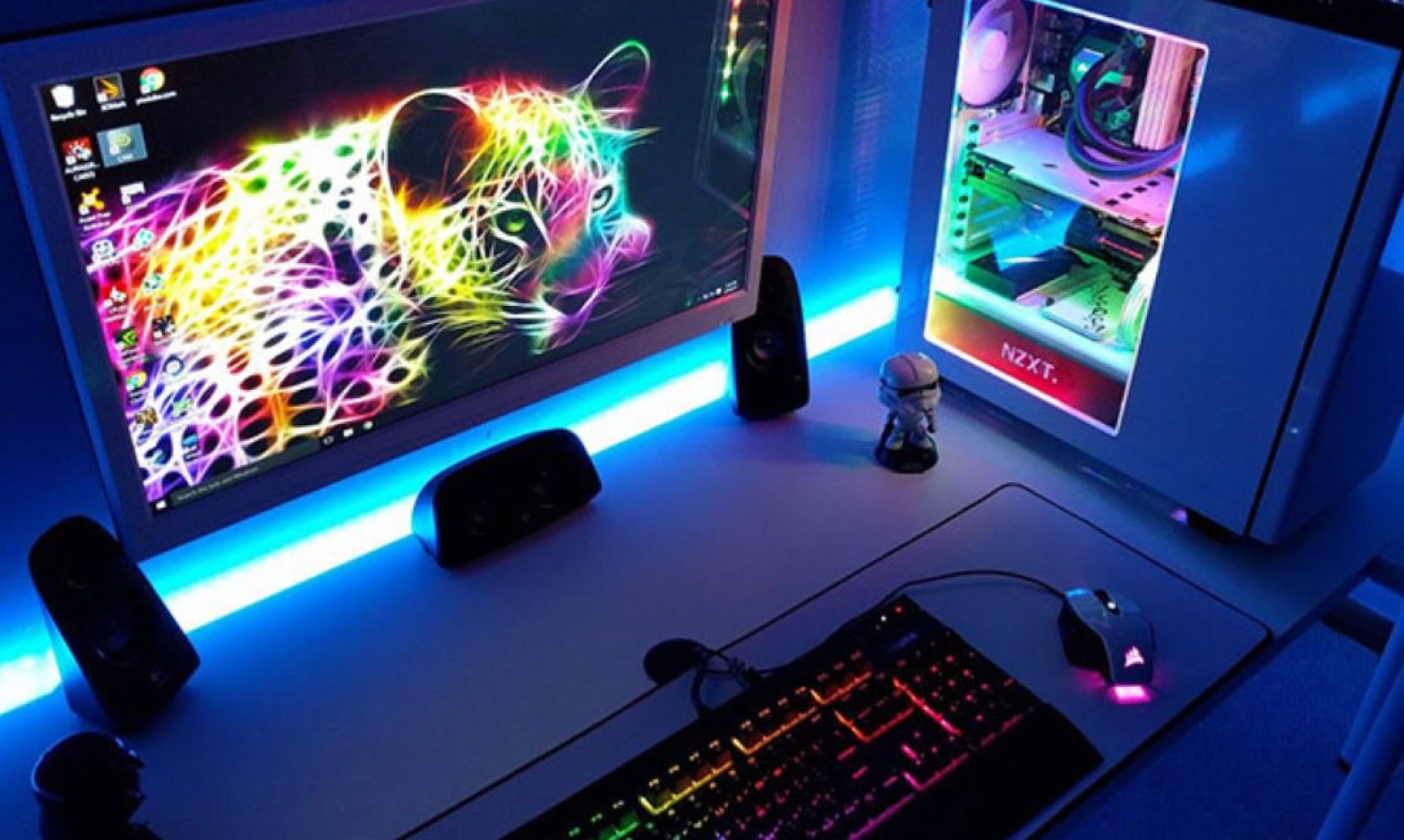
Starting a Safe and Trusted Pre-owned PC Component Business in 2026

Starting a Safe and Trusted Pre-owned PC Component Business in 2026

The market for used PC hardware in 2026 is booming. High-performance gaming and local AI workloads are driving users to seek affordable hardware, making a trusted pre-owned component business a highly promising venture. However, “trust” is your most valuable currency.

To succeed, you must move beyond simple “buying and selling” and become a certified curator of reliable hardware. Here is how to build a business that is both safe for you and trusted by your customers.


1. The Foundation: Building Technical Credibility

In this business, a simple “working” claim isn’t enough. You need to provide proof of health for every component you sell. This requires a professional Testing & Diagnostic Suite.

  • Graphics Cards (GPUs): Use GPU-Z to verify hardware authenticity and 3DMark or Furmark for stress testing. Check for “coil whine” and fan bearing health. evezone.evetech.co.za
  • Processors (CPUs): Run Cinebench loops to ensure stability and CPU-Z to verify the model hasn’t been “delidded” or tampered with.
  • Storage (SSDs): Provide CrystalDiskInfo reports showing “Percentage of Life Remaining.” Never sell a drive with less than 90% health.
  • Memory (RAM): Use MemTest86 for at least four passes to ensure there are no silent bit errors that cause random crashes.

Motherboard Diagnostic Cards can also help you quickly identify hardware faults during the “Buy-back” phase.


2. Sourcing Safely: The “Buy-Back” Protocol

To protect your capital, you must have a strict protocol when purchasing stock from individuals.

  • Verification: Always cross-reference serial numbers with manufacturer databases. If a seller is hesitant to provide a serial number, walk away.
  • The “Test-First” Policy: Never pay 100% upfront for a local pickup unless you’ve seen the part running. If buying online, use escrow services or platforms with strong buyer protection like eBay or r/hardwareswap. pcworld
  • Specialization: Focus on “Safe” components first—CPUs and RAM rarely fail. Be extremely selective with Power Supplies (PSUs) and AIO Liquid Coolers, which have limited lifespans. howtogeek

3. Legal and Trust Requirements in 2026

Operating a “Safe and Trusted” business means being transparent and legally compliant.

  • Transparency Reports: Every listing should include a QR code linking to a video of that specific part passing a benchmark. This “Proof of Life” is the #1 way to build trust over competitors.
  • Indonesian Legal Framework: If operating in Indonesia, you must adhere to UU ITE (Electronic Information and Transactions Law). For online retail, ensure you have an E-Commerce Trade Business License (SIUPMSE) from the OSS System to provide legal certainty for your transactions. kusumalawfirm
  • The 30-Day “Peace of Mind” Warranty: While manufacturers’ warranties don’t always transfer, offering your own 30-day replacement or refund guarantee will allow you to charge a 15–20% premium over “as-is” sellers.

Essential Tools for Your Diagnostic Lab

A professional setup requires more than just a screwdriver. These diagnostic tools will help you catch faulty hardware before it reaches your customers.

Richer-R 4-in-1 Diagnostic Card is a versatile tool for identifying motherboard and boot issues during your initial testing phase.

Jadeshay Motherboard Analyzer supports various slots including PCI/PCIe and Mini PCIe, making it a “must-have” for testing both desktop and laptop motherboards.

Elecbee 2-Digit Debug Card provides a quick, budget-friendly way to see boot codes and identify where a system is failing during POST.

Richer-R Desktop Debug Card 4 in 1 Diagnostic Card Computer Motherboard Detection Accessories,Diagnosis Card,Desktop Four-In-One Diagnostic Card

Richer-R Desktop Debug Card 4 in 1 Diagnostic Card Computer Motherboard Detection Accessories,Diagnosis Card,Desktop Four-In-One Diagnostic Card

IDR 960,394 Opens in a new window

Jadeshay motherboard analyzer diagnostic card pci/pcie/mini pcie/lpc pc for post test laptop desktopmode

Jadeshay motherboard analyzer diagnostic card pci/pcie/mini pcie/lpc pc for post test laptop desktopmode

IDR 1,199,155 Opens in a new window

Elecbee 10pcs 2-Digit PC Computer Mother Board Debug Post Card Analyzer PCI Motherboard Tester Diagnostics Display

Elecbee 10pcs 2-Digit PC Computer Mother Board Debug Post Card Analyzer PCI Motherboard Tester Diagnostics Display

IDR 113,154

Elecbee

5.0 (7) Opens in a new window .


4. Marketing Your Brand: From Seller to Curator

To reach “Millions in Profit,” you must stop acting like a “flea market” seller and start acting like a Refurbishment Boutique.

  • Aesthetic Presentation: Clean every component with 99% Isopropyl Alcohol. Repackage parts in professional anti-static bags and custom-branded boxes.
  • Platform Strategy: Use Instagram/TikTok for “Testing Reels” to show the effort you put into quality control. Use specialized marketplaces like Swappa or r/hardwareswap for high-end components where buyers are more knowledgeable.

Final Summary: The key to this business is documented quality. A customer will happily pay more for a “Certified Pre-owned” GPU with a benchmark report than for a “Cheap but Risky” one from a random marketplace listing.

Business Opportunities for Custom PC Assembly Services: Capital Skills, Millions in Profit

As we move through 2026, the demand for high-performance computing is no longer limited to hardcore gamers. The explosion of local AI applications, professional content creation, and the Windows 10 end-of-life hardware refresh has created a goldmine for custom PC builders.

If you have the technical “hands” and a sharp eye for components, starting a custom PC assembly service is a business with low overhead but massive scalability.


1. The 2026 Market: Why Now?

The “Pre-built” market often fails to meet the specific needs of modern power users. Three main drivers are pushing customers toward custom services this year:

  • The AI Boom: Users now want “Local AI” rigs capable of running LLMs and stable diffusion privately. These require specific VRAM-heavy GPU configurations that off-the-shelf PCs rarely offer.
  • Component Volatility: With the fluctuating prices of DDR6 RAM and high-speed SSDs, customers are looking for experts who can optimize a “build list” to get the most performance out of a fixed budget. intelmarketresearch
  • Aesthetic Personalization: PC builds in 2026 are pieces of furniture. Custom liquid cooling, “fish tank” cases, and tailored cable management are services people are willing to pay a premium for. startupfinancialprojection

2. Capital Requirements: Skills vs. Cash

Unlike a retail store, an assembly service is a skill-based business. Your primary “capital” is your expertise.

  • Financial Capital (Low): You don’t need to stock inventory. Most builders use a “Pre-Paid” model where the client pays for the components upfront, and you charge a service fee. You only need basic tools (precision screwdrivers, anti-static equipment, and testing software).
  • Skill Capital (High): You must be an expert in BIOS flashing, stress testing (using tools like Cinebench and OCCT), and troubleshooting “Dead on Arrival” (DOA) parts.

3. Revenue Streams: How to Reach “Millions in Profit”

A successful assembly business doesn’t just charge for “plugging parts in.” You monetize your time through multiple tiers:

Service LevelDescriptionEstimated Fee (IDR)
Basic AssemblyPutting parts together + OS InstallationRp 350.000 – Rp 750.000
The “Pro” BuildCable management + BIOS Optimization + Stress TestingRp 1.000.000 – Rp 2.500.000
Enthusiast TierCustom Water Cooling + Overclocking + Aesthetic ModsRp 3.000.000 – Rp 7.000.000+
ConsultationCreating the perfect “Price-to-Performance” part listRp 150.000 / session

The Math: By handling just 5 “Pro” builds a month, you can clear Rp 10.000.000+ in pure profit with zero inventory risk.


4. Strategic Links & Growth Tips

To turn this into a sustainable brand, you need to position yourself as a “Consultant,” not just a “Laborer.”

  • Build a Portfolio: Use platforms like Instagram and TikTok to showcase “Time-lapse” builds. High-quality photos of clean cable management are your best marketing tool.
  • Niche Down: Focus on a specific segment. “The AI Builder” or “The Silent PC Expert” allows you to charge more than a generalist.
  • Component Partnerships: As you grow, link up with local distributors. Getting “Dealer Pricing” on components allows you to offer clients better prices while keeping a small margin on the parts themselves.

5. Managing Risk

The biggest risk in this business is handling expensive hardware.

  • Insurance: Always build on an anti-static mat and have a clear “Terms of Service” regarding component warranties (which should remain with the manufacturer, not you).
  • Testing: Never deliver a PC without a 24-hour stress test. A “Millions in Profit” business can be destroyed by one “Million-to-one” hardware failure that wasn’t caught before delivery.

Ready to start? The first step isn’t buying parts—it’s building your first “Hero Rig” to show the world what you can do.

Since you’ve been looking into SEO and digital branding, have you thought about which specific niche—like AI workstations or high-end gaming—you’d want to focus your services on first?

Tips for Choosing the Right Power Supply (PSU): Don’t Let Your Sultan’s Computer Explode!

You’ve spent millions of Rupiah on the latest RTX 50-series GPU and a top-tier Ryzen X3D processor. Your “Sultan” build looks magnificent, but there is one component that acts as the heart of the entire system. If this heart fails, it doesn’t just stop working—it can take your expensive GPU and Motherboard down with it in a puff of smoke. gcom.dk

In 2026, choosing a Power Supply Unit (PSU) is no longer just about “total wattage.” It’s about stability, safety standards, and future-proofing. Here is how to choose a PSU that keeps your high-end rig safe. Medium


1. The “Golden Rule” of Wattage: Headroom is Key

In 2026, modern components are efficient, but they suffer from “Transient Spikes”—micro-seconds where the GPU demands double its rated power.

  • The Math: Calculate your total system draw and add a 20-30% buffer.
  • The Sultan Standard: For a high-end gaming PC today, an 850W or 1000W PSU is the sweet spot. It allows the PSU to run in its “efficiency curve” (usually around 50% load), where it stays coolest and quietest.

2. Look for the ATX 3.1 Standard

Don’t buy old stock! In 2026, you should only look for PSUs labeled ATX 3.1 compliant.

  • Why? This standard includes the improved 12V-2×6 power connector. Unlike the older 12VHPWR connectors that made headlines for melting, the 12V-2×6 is designed with shorter signal pins to ensure the cable is fully seated before it delivers high power.
  • Safety: ATX 3.1 PSUs are designed to handle massive power excursions without shutting down your PC.

3. Decoding the “80 Plus” and “Cybenetics” Ratings

Efficiency ratings tell you how much power is wasted as heat.

  • 80 Plus: Aim for Gold, Platinum, or Titanium. Avoid “White” or “Bronze” for high-end builds; they use cheaper internal components that degrade faster under heat.
  • Cybenetics: This is the new, more rigorous gold standard for 2026. Look for a Cybenetics Platinum rating for efficiency and a Cybenetics A- or A rating for noise levels.

4. Modular vs. Non-Modular: Sultan’s Choice

For a premium build, Fully Modular is the only way to go.

  • Customization: You only plug in the cables you need. This leaves more room in your case for airflow and makes cable management significantly easier.
  • Cleanliness: No “mustard and ketchup” colored wires hanging around. Modular PSUs almost always come with premium, all-black, or sleeved cables.

5. Check the “PSU Tier List”

Brand names (like Corsair, Seasonic, or EVGA) are generally trustworthy, but even great brands sometimes release a “dud” model.

  • The Pro Tip: Search for the “PSU Tier List 2026.” Always choose a unit from Tier A. If it’s in Tier E (Avoid) or Tier F (Replace Immediately), it’s a ticking time bomb for your components.

Summary Checklist: Sultan’s PSU Buying Guide

FeatureMinimum RequirementSultan Recommendation
Wattage750W1000W+
StandardATX 3.0ATX 3.1
Efficiency80 Plus Gold80 Plus Titanium
CablingSemi-ModularFully Modular
Warranty5 Years10–12 Years

The Ultimate Warning: Never Reuse Old Cables!

If you are upgrading your PSU, NEVER use the modular cables from your old power supply. Even if the connectors look the same, the internal wiring (pinout) is often different. Plugging an old cable into a new PSU is the fastest way to fry your SSDs and Motherboard instantly.

Final Verdict: The PSU is the insurance policy for your PC. Spending an extra $50 (approx. 750k IDR) on a top-tier power supply is much cheaper than replacing a $1,500 graphics card.

Are you currently planning a high-end build, or are you looking to upgrade an existing system to handle the newer 2026 GPUs?

Cable Management: The Secret to a Tidy Gaming PC and Optimal Airflow

Building a high-performance gaming PC in 2026 is only half the battle. The real mark of a pro builder is Cable Management. While it might seem like a purely aesthetic choice, a “birds nest” of wires inside your case is a silent performance killer.

Poorly managed cables block airflow, trap heat, and turn your expensive components into a magnet for dust. Here is your definitive guide to mastering cable management for a clean look and a cool system.


1. Why Cable Management Actually Matters

It’s not just about “PC Porn” for social media. Proper routing provides two critical functional benefits:

  • Thermal Efficiency: Modern GPUs and CPUs in 2026 generate significant heat. Obstructions in the air path create “dead zones” where hot air swirls around instead of being exhausted.
  • Maintenance Ease: When you need to upgrade your RAM or clean your fans, you don’t want to fight through a jungle of wires. Clean routing makes your PC a modular, serviceable machine.

2. The Golden Rule: The “Back-Side” Strategy

Modern PC cases are designed with a “dual-chamber” philosophy. The front (the side with the glass) is for the show; the back (behind the motherboard tray) is for the mess.

  • Route Early: Don’t wait until the end. As soon as you plug a cable into the motherboard, immediately pull the excess through the nearest rubber grommet to the back of the case.
  • Use the Cutouts: High-quality cases have specific holes for the CPU power (top left) and the 24-pin motherboard power (middle right). Use them!

3. Essential Tools for a Clean Build

You don’t need expensive kits, but these three items are game-changers:

  1. Velcro Ties: Unlike plastic zip ties, Velcro is reusable. This is vital because you will realize you forgot one cable and need to open the bundle later.
  2. Cable Combs: These small plastic clips keep your GPU and Motherboard sleeves perfectly parallel, preventing the “rainbow” spread of individual wires.
  3. Zip Tie Anchors: If your case lacks tie-down points, these adhesive squares allow you to create your own routing paths.

4. Step-by-Step Cable Routing Workflow

Follow this order to prevent a “cable mountain” from forming in the back:

  • Step 1: The Big Essentials. Start with the thickest cables—the 24-pin ATX and the 8-pin CPU power. These are the hardest to bend, so give them priority.
  • Step 2: The Front Panel. Route your Power SW, Reset, and USB header cables. These are thin and fragile; keep them tucked away from heavy power lines.
  • Step 3: Storage & Fans. If you use SATA drives or have a hub for RGB fans, this is where the bulk of the mess happens. Bundle these along the vertical “spine” of the case.
  • Step 4: The GPU. The “centerpiece.” In 2026, many use the 12V-2×6 cable. Ensure there is no sharp bend near the connector to prevent overheating.

5. Managing the “External” Chaos

A tidy PC deserves a tidy desk.

  • Under-Desk Trays: Use a mesh tray or a “J-channel” to keep power bricks and monitor cables off the floor.
  • Monitor Arms: Most modern arms have built-in channels to hide HDMI and DisplayPort cables, giving your desk a “floating” aesthetic.

Comparison: Managed vs. Unmanaged Performance

FeatureClean Cable Management“Rat’s Nest” Wiring
GPU Temps3–5°C Lower3–5°C Higher
Dust BuildupMinimal (Easier to blow out)High (Cables trap particles)
AestheticsProfessional / PremiumMessy / Unfinished
TroubleshootingInstant access to partsFrustrating and slow

The Final Touch: Lighting

Once your cables are hidden, use subtle RGB strips along the top or bottom of the case. Proper cable management allows the light to bounce off your hardware rather than casting ugly shadows of loose wires across your motherboard.

Pro Tip: If you have extra cable length you can’t hide, tuck it into the PSU Shroud (the basement of your case). Out of sight, out of mind!


Building a PC? Start with a clean slate and a pack of Velcro ties. Your hardware—and your eyes—will thank you.

How is the airflow in your current setup? If you’re noticing your fans ramping up more than usual, it might be time for a quick cable re-routing session.

5 Fatal Mistakes When Assembling a PC that Often Shorten the Lifespan of Components

Building a PC is an empowering experience, but it’s also a high-stakes surgical procedure for your hardware. In 2026, components are more powerful than ever, but they are also more sensitive to physical and electrical stress.

Even if your PC “turns on,” you might be unknowingly slowly killing your components. Here are the 5 fatal assembly mistakes that shorten the lifespan of your gaming rig and how to avoid them.


1. The “Plastic Peel” and Improper Thermal Paste Application

The most common cause of early component failure is heat. Many beginners forget to remove the clear plastic “Warning: Remove Before Use” sticker on the bottom of their CPU cooler. This creates a thermal barrier that can cause your CPU to hit 100°C instantly.

Furthermore, using too little or too much thermal paste can lead to air pockets or “pump-out,” where the paste escapes the heat spreader over time.

  • The Fix: Always double-check the cooler base and use the “pea-size” or “X-pattern” method for thermal paste.
  • Lifespan Impact: Constant high temperatures lead to silicon electromigration, permanently degrading your CPU’s speed.

2. Skimping on the Power Supply (PSU) Quality

Many builders spend their entire budget on the GPU and buy the cheapest 700W power supply they can find. A low-quality PSU lacks proper voltage regulation and “ripple suppression.”

In 2026, modern GPUs have massive “transient spikes” (sudden surges in power draw). A cheap PSU cannot handle these spikes, sending “dirty” electricity back into your motherboard and GPU.

  • The Fix: Only buy PSUs that are 80 Plus Gold certified and Tier A or B on reputable PSU tier lists.
  • Lifespan Impact: Frequent power ripples can fry capacitors on your motherboard and GPU, leading to a dead system within 1-2 years.

3. Daisy-Chaining GPU Power Cables

Modern high-end graphics cards often require two or three 8-pin power connectors. A fatal mistake is using a single cable that “splits” into two connectors (daisy-chaining).

A single cable is typically rated for 150W. If a powerful 2026-era GPU tries to pull 300W through that one cable, the wires will overheat, the voltage will drop, and the connectors can eventually melt.

  • The Fix: Use a separate, dedicated cable from the PSU for every power port on your GPU.
  • Lifespan Impact: Overheated cables cause voltage instability, which stresses the GPU’s VRMs (Voltage Regulator Modules) and can lead to a fire hazard.

4. Poor Case Airflow and “Negative Pressure”

It isn’t enough to just have fans; they must be pointing the right way. A common mistake is installing all fans as “exhaust,” creating a vacuum (negative pressure) that sucks dust through every tiny crack in the case.

Dust acts as an insulator, trapping heat against your components and forcing fans to spin at 100% speed constantly, wearing out their bearings.

  • The Fix: Aim for positive pressure (more intake fans than exhaust) and ensure a clear path for air to move from the front-bottom to the top-back of the case.
  • Lifespan Impact: Dust buildup leads to “thermal choking,” significantly shortening the life of your GPU and PSU fans.

5. Static Discharge and Physical Stress

While modern parts have some ESD (Electrostatic Discharge) protection, a single “zap” from your finger while standing on a carpet can cause “latent failure.” This is where the component doesn’t die immediately but starts crashing randomly six months later.

Additionally, over-tightening motherboard screws or failing to use standoffs can warp the PCB (Printed Circuit Board), causing micro-cracks in the internal traces.

  • The Fix: Build on a hard surface, touch metal to ground yourself, and tighten screws until they are “snug,” not “cranked.”
  • Lifespan Impact: Micro-cracks and ESD damage lead to intermittent blue screens and eventual total hardware failure that is impossible to repair.

Summary Checklist for a Long-Lasting PC

  • [ ] Peel Check: Is the plastic off the cooler?
  • [ ] Cable Check: Is every GPU port using a unique cable?
  • [ ] Fan Check: Are the front fans blowing into the case?
  • [ ] PSU Check: Is it a reputable brand with at least a 5-year warranty?
  • [ ] Standoff Check: Is the motherboard resting on brass risers, not the case metal?

Getting to Know Ray Tracing and DLSS Technology: Is It Really a Must-Have on Your Gaming PC?

In the current landscape of 2026, PC gaming has evolved far beyond raw frame rates and high resolutions. Two terms dominate every hardware discussion: Ray Tracing and DLSS (Deep Learning Super Sampling). Once considered experimental features for enthusiasts, they are now the pillars of modern graphics.

But do you actually need them, or are they just marketing buzzwords designed to make you upgrade? Let’s break down how these technologies work and their impact on your gaming experience.


What is Ray Tracing? The Pursuit of Realistic Light

Traditional gaming graphics use “rasterization,” a technique that estimates how light should look. Ray Tracing, however, simulates the physical behavior of light. It calculates the path of millions of individual “rays” as they bounce off surfaces, refract through water, and create realistic shadows.

  • The Result: Mirrors that reflect the world behind you, puddles that accurately show neon signs, and “global illumination” that makes a dark room feel naturally lit rather than artificially brightened.
  • The Cost: Ray tracing is incredibly demanding on hardware. Even in 2026, turning on “Path Tracing” (the most advanced form) can cut your frame rates by more than half.

What is DLSS? The AI Savior

If Ray Tracing is the “heavy lifter” that slows things down, DLSS is the “AI assistant” that speeds them back up. Developed by NVIDIA, DLSS uses artificial intelligence and machine learning to upscale lower-resolution images in real-time.

  1. Super Resolution: Your PC renders the game at 1080p (low effort).
  2. AI Reconstruction: DLSS fills in the missing pixels to make it look like 4K (high quality).
  3. Frame Generation: In its latest iterations, DLSS even creates entirely new frames from scratch, doubling your FPS without taxing your GPU’s traditional cores.

Is It a “Must-Have” for Your PC?

The answer depends on what kind of gamer you are. Here is how to decide:

1. The Immersion Junkie (Yes, it’s a Must)

If you play single-player epics like Cyberpunk 2077, Alan Wake II, or the latest 2026 RPGs, Ray Tracing is transformative. It bridges the gap between “looking like a game” and “looking like a movie.” To run these at 1440p or 4K, an AI upscaler like DLSS is no longer optional—it is a technical requirement.

2. The Competitive E-Sports Player (Probably Not)

In games like Valorant, Counter-Strike 3, or Apex Legends, Ray Tracing is actually a disadvantage. It adds visual “clutter” that can distract you from seeing enemies. For these players, raw speed and low latency (NVIDIA Reflex) are much more important than beautiful reflections.

3. The Budget Gamer (DLSS is Your Best Friend)

While Ray Tracing might be too heavy for a budget build, DLSS (or AMD’s FSR / Intel’s XeSS) is a must-have. These technologies allow an older or entry-level GPU to play modern games that it otherwise couldn’t handle. It effectively extends the lifespan of your hardware by years.


The 2026 Verdict

In 2026, DLSS is a necessity, while Ray Tracing remains a luxury.

Almost every modern game engine is now designed with AI upscaling in mind; without it, you are leaving free performance on the table. Ray Tracing, however, is the “cherry on top.” It makes your games look stunning, but if you’re on a tight budget, you can still have a fantastic gaming experience without it.

The Golden Rule: If you are buying a new GPU today, ensure it has strong AI-upscaling support. It is the single most important factor in keeping your PC relevant for the next five years.